Christmas Lights Embroidery Design Review
As an embroidery designer who has spent years translating digital files into tangible brand assets, I approach every new machine embroidery design with a critical eye. My focus is never just on how pretty a pattern looks on a screen, but on how it performs in the real world of small business merch, custom apparel, and commercial embroidery projects. Today, I am reviewing the Christmas Lights Embroidery Design. This specific file promises to be a versatile asset for holiday collections, specifically targeting Christmas-themed t-shirts or pajama sets. The goal is to determine if this design can effectively spread holiday cheer through your clothing while maintaining the professional standards required for branded merchandise.
First Impressions: Visual Personality and Brand Fit
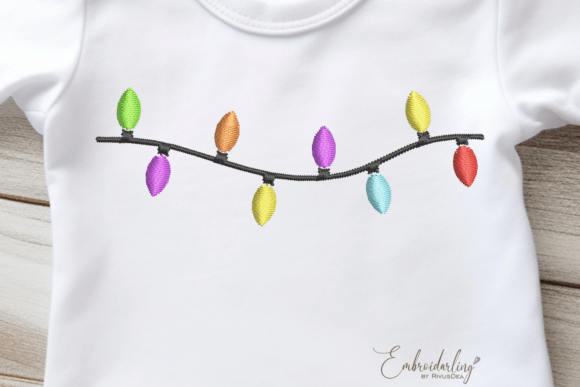
When I first loaded the Christmas Lights Embroidery Design into my digitizing software, the visual personality immediately stood out. It strikes a balance between playful and classic. Unlike some overly intricate holiday designs that lose definition when stitched, this file appears clean and bold. For a small business owner or an Etsy seller looking to elevate their handmade product line, this aesthetic is crucial. It feels friendly enough for family pajama sets yet structured enough to serve as a subtle accent on staff uniforms or boutique tote bags.
The design's strength lies in its ability to evoke warmth without clutter. In the context of brand identity, a logo or decorative element must communicate trust and recognition instantly. The glowing motif of the lights suggests festivity and community, which are powerful emotional triggers during the holiday season. Whether you are running a local café, a creative studio, or a pet brand, this design has the potential to become a recognizable signature on your seasonal offerings.
Performance in Real Business Applications
The true test of any digital embroidery file is its versatility across different substrates and product types. Here is how the Christmas Lights Embroidery Design performs in various commercial scenarios:
- Embroidered Patches: This design is an excellent candidate for creating standalone embroidered patches. Because the lines of the lights are distinct, they translate well into the satin stitch columns often used for patch borders and details. These patches can be sewn onto denim jackets, canvas backpacks, or even attached to the corners of aprons for a quick holiday update.
- Staff Uniforms and Apron Embroidery: For a bakery or florist, adding this design to the chest pocket of a chef's coat or the bib of an apron adds a festive touch without overwhelming the uniform. It serves as a conversation starter for customers, subtly reinforcing the shop's seasonal spirit.
- Cap Embroidery: While caps require careful consideration of size, the linear nature of the lights allows for a curved layout on a cap front. However, this requires precise scaling to ensure the individual bulbs remain visible.
- Tote Bag Design: On heavier cotton canvas, the texture of the fabric complements the raised effect of the thread. Placing this design on a reusable shopping bag creates a high-value promotional item that customers will want to reuse long after the holidays.
- Product Packaging Accents: If you sell physical goods, consider using this design as a label or tag attachment. A small embroidered tag featuring the lights on a gift box or clothing hangtag elevates the perceived value of the finished product significantly.
Critical Considerations for Production
While the Christmas Lights Embroidery Design offers great potential, experienced decorators know that not all designs work perfectly on every surface. There are specific areas where caution is required to ensure the quality of your small business merch remains high.
Size and Detail Constraints
One of the most common pitfalls with light-based designs is the scale. If you attempt to shrink this design too much for a tiny sleeve detail or a small cap logo, the individual bulbs may merge together, losing their definition. Always check the minimum recommended size before committing to production. For cap embroidery, ensure there is enough space for the lights to breathe; otherwise, the design may look muddy rather than crisp.
Fabric Texture and Stabilizer Needs
The success of this machine embroidery design heavily depends on the fabric texture. On smooth fabrics like jersey or twill, the stitches will lie flat and shine beautifully. However, on highly textured materials like heavy fleece or ribbed knit (common in pajama sets), the needle penetration can be tricky. You must use the proper stabilizer to prevent puckering. A cut-away stabilizer is often best for stretchy fabrics to maintain the integrity of the design over time.
Thread Colors and Contrast
To make the lights pop, thread colors must be chosen strategically. Using bright reds, greens, golds, and whites against dark uniforms creates a striking contrast. Conversely, on light-colored shirts, you might need a darker outline or shadowing to give the lights depth. Always review the thread color palette in relation to your brand identity to ensure consistency.
Impact on Brand Identity and Customer Trust
In the competitive world of handmade brands and merch creators, the quality of your embroidery speaks volumes about your professionalism. A poorly executed design can damage customer trust, making your brand appear cheap or careless. By selecting a high-quality digital embroidery file like the Christmas Lights Embroidery Design, you signal attention to detail.
This design enhances buyer engagement by offering a tactile experience that print-on-demand cannot match. When a customer runs their fingers over the raised thread of a holiday light, they feel the craftsmanship. This tactile connection increases the perceived value of your custom apparel and encourages repeat purchases. Furthermore, consistent use of this design across your tote bags, caps, and tags builds visual consistency, making your brand instantly recognizable in a crowded market.
Practical Designer Notes for Implementation
Before you launch a full production run of Christmas-themed t-shirts or pajama sets, follow these essential steps to ensure the Christmas Lights Embroidery Design meets your standards:
- Test in Black and White First: Before investing in expensive colored threads, run a test stitch in black to check the density and flow of the design. This helps identify any potential issues with spacing or pull.
- Verify Hoop Size: Confirm that the design fits within your standard hoop sizes. If the file is larger than your hoop, you may need to re-digitize or split the design, which can affect the final look.
- Inspect Stitch Density: High stitch density can cause fabric distortion. Ensure the file is optimized so that the stitches are tight enough to hold shape but loose enough to allow the fabric to move naturally.
- Create a Printable Mockup: Use the design to create a printable mockup for client approval. This allows your customers to visualize the final result on their specific products before you begin stitching.
- Check Commercial Licensing: As a business owner, it is vital to confirm commercial licensing before business use. Ensure you have the rights to use this embroidery file for unlimited sales of your merchandise.
- Compare with Other Assets: Place the design beside other design assets from your collection to ensure it aligns stylistically with your overall brand aesthetic.
The Christmas Lights Embroidery Design is more than just a seasonal decoration; it is a strategic tool for small business owners looking to differentiate their holiday collections. By understanding its strengths and limitations, you can leverage this machine embroidery design to create premium, memorable products that resonate with your audience. Whether you are producing a limited run of staff aprons or a full line of branded holiday wear, this design offers the perfect blend of festive charm and professional execution.