Pile Drop Diamond Embroidery Design Review
As a professional embroidery designer who has spent years translating brand visions into tangible stitched assets, I approach every new machine embroidery design with a critical eye. The goal is never just to create something that looks good on a screen; it is to ensure the design survives the rigors of production and elevates the perceived value of the finished product. Today, I am reviewing Pile Drop Diamond Embroidery, a design categorized under Backgrounds but with significant potential for small business merch, custom apparel, and branded patch use.
First Impressions: A Textured Foundation for Branding
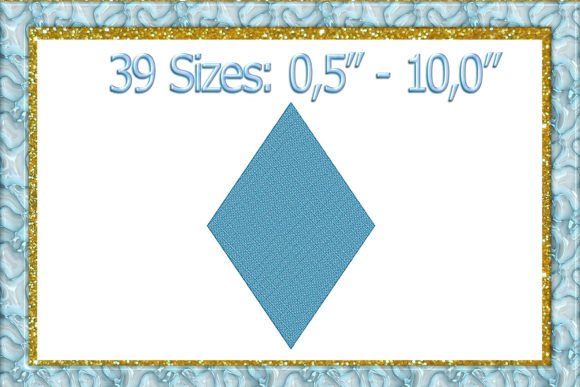
At first glance, Pile Drop Diamond Embroidery presents itself as a sophisticated geometric motif. The description highlights techniques such as "nap tack down," "embossed diamond," and "knockdown stitch," which immediately signals a focus on texture and depth rather than flat coverage. For small business owners, boutique operators, and Etsy sellers looking to differentiate their merchandise, this textural quality is a major asset. It moves away from the generic, flat logos that saturate the market and offers a tactile element that customers want to touch.
The inclusion of terms like "Nap Loft" and "Knock Down rhomb" suggests a dynamic interplay between raised and flattened areas of thread. This creates a visual rhythm that feels both modern and classic. When evaluating this as a digital embroidery file for commercial use, my initial assessment is that it leans towards a premium, handmade aesthetic. It is not merely decorative; it has the structural integrity to serve as a background for logos or a standalone accent piece on high-end tote bags, aprons, and staff uniforms.
Strategic Applications in Small Business Merchandise
When integrating Pile Drop Diamond Embroidery into a brand identity strategy, versatility is key. Here is how I see this design performing across various commercial embroidery projects:
- Branded Patches: The geometric nature of the diamond pattern makes it an excellent candidate for embroidered patches. Whether for a pet brand, a creative studio, or a local bakery, this design can frame a central logo or stand alone as a badge of quality on denim jackets or canvas backpacks.
- Staff Uniforms and Aprons: For cafes and boutiques, consistency in staff attire builds trust. Using this design as a chest logo accent or a sleeve detail on work shirts adds a layer of professionalism without being overwhelming. On aprons, the texture of the knockdown stitch holds up well against the frequent washing required in food service environments.
- Cap Embroidery: Caps are prime real estate for branding. While curved surfaces can be tricky, the structured geometry of the diamond pattern adapts well to cap fronts, provided the scale is managed correctly. It serves as a subtle yet distinct mark for event merch or customer gifts.
- Tote Bag Designs: As tote bags remain a staple for eco-conscious brands, Pile Drop Diamond Embroidery offers a way to elevate a simple canvas bag into a collectible item. The embossed effect catches the light, making the bag visually interesting even when empty.
Navigating Technical Challenges and Limitations
While the potential is high, experienced decorators know that no design is universally applicable without consideration for technical constraints. There are specific scenarios where Pile Drop Diamond Embroidery must be used with caution to avoid compromising the finished product.
Scale and Detail: The intricate combination of nap loft and knockdown stitches means that stitch density is likely high. If you attempt to shrink this design too much for a tiny patch or a small collar tag, the details may blur, and the fabric may pucker. Always verify the minimum recommended size before committing to production.
Fabric Texture Compatibility: This design relies on contrast between raised and lowered threads. On highly textured fabrics like thick wool or heavy corduroy, the "embossed" effect might get lost. Conversely, on very thin or stretchy knits, the density of the design could cause distortion. Testing on the actual fabric intended for your project is non-negotiable.
Curved Surfaces and Dark Uniforms: Applying complex textures to curved surfaces like caps requires precise digitizing to prevent thread bunching. Additionally, if using this on dark uniforms, ensure the thread colors provide sufficient contrast. A low-contrast color palette on a dense background can make the design look muddy rather than dimensional.
Impact on Brand Identity and Customer Perception
In the competitive landscape of handmade products and small business merch, the quality of your design assets directly influences buyer engagement. Pile Drop Diamond Embroidery contributes to a brand identity that values craftsmanship and attention to detail. When a customer receives a product with this level of textural complexity, it signals that the brand cares about the tactile experience, not just the visual one.
This perception of quality translates to increased product value. A tote bag with a flat print costs less in the consumer's mind than one with a richly textured, embossed embroidery design. By incorporating this machine embroidery design into your line, you are effectively communicating professionalism and reliability. It helps build visual consistency across your product line, whether you are selling custom apparel, event merch, or boutique accessories.
Practical Designer Notes for Production Success
To ensure that Pile Drop Diamond Embroidery delivers the results you expect, follow these practical steps before full-scale production:
- Test in Black and White First: Before investing in expensive specialty threads, run a test in black and white to evaluate the structure, spacing, and stability of the design.
- Verify File Formats: The product description mentions that nine formats are included in the file you will receive. Ensure your embroidery machine supports at least one of these formats to avoid conversion errors that could ruin the stitch path.
- Check Hoop Size: Confirm that the design fits within your standard hoop sizes. If the design is large, you may need to split it or use a larger hoop, which impacts workflow efficiency.
- Select the Right Stabilizer: Given the "nap tack down" and "loft" elements, a heavy-duty cut-away stabilizer is often necessary to support the weight of the thread and prevent sinking over time.
- Create Printable Mockups: Before stitching hundreds of units, create a printable mockup for client approval. This allows stakeholders to visualize how the design interacts with other brand elements.
- Review Licensing Terms: As with any digital embroidery file, confirm the commercial licensing terms before using it for business. Ensure you have the rights to produce unlimited items for sale.
- Inspect Thread Color Contrast: Experiment with different thread colors to maximize the embossed effect. High contrast between the base and the raised elements will make the diamond pattern pop.
In conclusion, Pile Drop Diamond Embroidery is a powerful tool for designers and business owners aiming to elevate their merchandise. Its unique blend of texture and geometry offers a fresh alternative to standard backgrounds. However, its success depends on thoughtful application, proper testing, and an understanding of its technical requirements. When executed correctly, it transforms simple items into premium brand assets that resonate with customers and reinforce your reputation for quality.