Review: Baby Turtle Embroidery for Business
As a professional embroidery designer who has spent years translating digital files into tangible brand assets, I approach every new machine embroidery design with a critical eye. It is not enough for a pattern to look cute on a screen; it must translate seamlessly onto fabric, withstand the rigors of washing, and elevate the perceived value of the product it adorns. Today, I am reviewing the Baby Turtle Embroidery design. This piece falls squarely into the Baby Animals category, promising an adorable and heartwarming aesthetic. But does it hold up when we move from a personal craft project to a commercial application for small business merchandise?
First Impressions: Visual Personality and Brand Fit
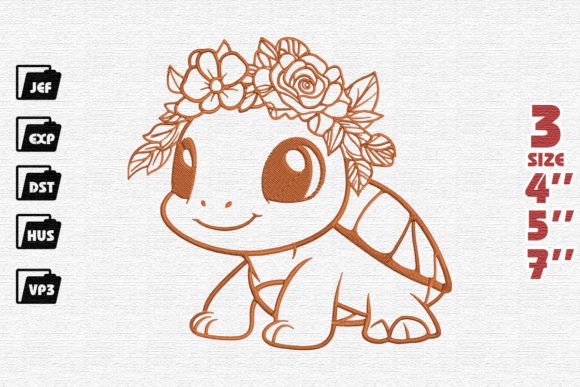
Upon opening the digital embroidery file, the immediate impression is one of charm and approachability. The description notes that the design captures the essence of a beloved sea creature with delicate details. In the context of brand identity, this is a powerful asset. A baby turtle symbolizes growth, patience, and resilience—traits that many handmade brands, eco-friendly boutiques, and family-oriented businesses wish to communicate.
The visual personality here is distinctly friendly and playful, yet it retains a level of sophistication suitable for premium goods. Unlike some generic clip art that can appear flat or cartoonish, the Baby Turtle Embroidery suggests depth through its line work. For a local café, a florist, or a boutique specializing in children's wear, this design offers a warm, welcoming vibe that invites customer engagement. It feels less like a corporate logo and more like a story element, which is crucial for building trust and emotional connection in the current market.
Commercial Applications: From Patches to Uniforms
The versatility of this design makes it an excellent candidate for various small business merch lines. Let us break down how this specific Embroidery pattern performs across different product categories.
Custom Apparel and Staff Uniforms
For staff uniforms, particularly in casual settings like bakeries, pet shops, or creative studios, the Baby Turtle Embroidery works beautifully as a chest logo accent or a sleeve detail. On a chef's apron, for instance, an apron embroidery placement of this design adds a touch of whimsy that humanizes the brand. It transforms a standard uniform into a branded experience. However, because the design features delicate details, it requires careful consideration regarding stitch density. If the turtle is too small, those fine lines may merge, losing the definition that makes the character endearing.
Branded Patches and Caps
One of the most effective uses for this design is as an embroidered patch. Patches allow you to control the background color and texture independently of the garment, ensuring the design pops. Imagine a denim jacket or a canvas tote bag featuring a high-quality patch of the baby turtle. For headwear, cap embroidery presents a unique challenge due to the curved surface. The rounded shell of the turtle complements the curve of a cap front, but the design must be sized appropriately to avoid distortion. A medium-sized placement ensures the "cute" factor remains intact without overwhelming the wearer.
Tote Bags and Product Packaging
In the realm of retail, a tote bag design featuring this motif can serve as both a functional item and a walking billboard for your shop. The sturdy nature of canvas totes pairs well with the durability required for frequent use. Furthermore, using this design as an accent on product packaging—such as a small embroidered tag on a gift box or a label on a jar of homemade soap—elevates the unboxing experience. It signals to the buyer that attention was paid to every detail, reinforcing the value of the finished product.
Technical Considerations for Production
While the aesthetic appeal is high, successful implementation relies on technical precision. As a designer, I recommend a rigorous testing phase before committing to a full production run.
- Test in Black and White: Before selecting vibrant thread colors, stitch out the design in a single dark thread. This reveals whether the line weight is consistent and if any areas are prone to breaking or tangling.
- Evaluate Stitch Density: The description mentions "delicate details." In commercial embroidery, high density in small areas can cause puckering, especially on lightweight fabrics. You may need to adjust the pull compensation or reduce the density in the turtle's shell pattern to ensure a smooth finish.
- Fabric Texture Matters: How the design interacts with fabric texture is critical. On a rough wool sweater, the fine lines of the turtle might get lost. Conversely, on a smooth cotton poplin, the details will shine. Always test on the actual material intended for your merchandise.
- Stabilizer Selection: To prevent shifting during stitching, use the proper stabilizer. For items like caps or textured bags, a cut-away stabilizer often provides the necessary support to maintain the integrity of the design over time.
- Hoop Size Verification: Confirm the required hoop size against your machine capabilities. If the design is large, ensure you have the space to hoop it correctly without distorting the image.
Strategic Branding and Customer Perception
Integrating the Baby Turtle Embroidery into your product line goes beyond mere decoration; it is a strategic move to enhance brand identity. When customers see a cohesive design across their aprons, bags, and patches, it creates visual consistency that fosters recognition. This consistency builds professionalism. Even though the subject is a cute animal, the execution must be flawless to convey quality.
For Etsy sellers and handmade brands, offering items with custom embroidery increases perceived value. A plain tote bag sells for a certain price, but a tote bag featuring a professionally stitched, unique handmade product design commands a higher price point. It tells the customer that this is not mass-produced junk, but a curated item made with care. Additionally, creating a printable mockup for client approval allows you to showcase how the design looks in real-world scenarios before cutting any threads, reducing waste and increasing client confidence.
Cautions and Best Practices
Despite its strengths, there are scenarios where this design should be used with caution. Avoid placing it on very small patches where the intricate details of the turtle's face or shell might become indistinguishable blobs. Similarly, on dark uniforms, ensure you have sufficient contrast; a light-colored turtle on a black shirt needs a dense underlay to prevent the dark fabric from showing through the stitches.
Furthermore, always confirm the commercial licensing terms associated with the embroidery file before using it for business. While the design is perfect for design assets in your portfolio, you must ensure you have the rights to reproduce it on merchandise for sale. Finally, compare the design beside other assets in your brand kit. Does it clash with your typography? Does it fit the overall color palette? These questions are essential for maintaining a cohesive brand image.
Final Verdict
The Baby Turtle Embroidery is a strong contender for businesses looking to inject warmth and character into their merchandise. With its focus on delicate details and heartwarming imagery, it serves as an excellent focal point for custom apparel, event merch, and boutique gifts. By adhering to best practices in testing, stabilization, and sizing, you can transform this digital file into a high-quality physical asset that resonates with customers and strengthens your brand presence. Whether for a local business wanting to stand out or a global brand seeking a softer touch, this design offers the versatility needed to succeed in the competitive world of embroidered goods.