Review: Horse Flying Embroidery Design
As a designer who has spent years testing machine embroidery designs for both personal projects and client work, I approach every new file with a mix of excitement and skepticism. The market is flooded with generic patterns that look great in a digital preview but fall apart under the needle. When I first opened the Horse Flying Embroidery Design, my immediate goal was to determine if this majestic winged horse could transition from a pretty image on a screen to a durable, high-quality finished product. Whether you are an Etsy seller looking to expand your catalog or a hobbyist creating a personalized gift, understanding the practical application of a design is just as important as its aesthetic appeal.
First Impressions: Mood and Visual Personality
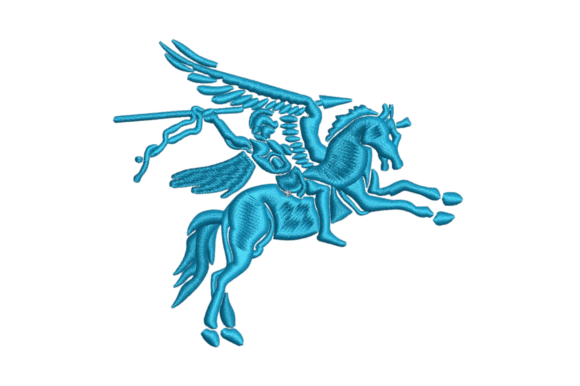
The moment I loaded the Horse Flying Embroidery Design into my digitizing software, the visual personality became clear. This is not a cartoonish depiction; it leans toward an elegant, almost mythological interpretation of the Pegasus archetype. The lines flow with a sense of motion, capturing the energy of flight while maintaining a structured form that suggests stability in stitching. For a craft business, this kind of design asset offers a distinct advantage. It elevates a simple handmade product into something that feels curated and professional.
The layout balances negative space with detailed fill areas effectively. In many machine embroidery design files, designers overstuff the pattern, leading to puckering on the final fabric. Here, the balance seems intentional, allowing the thread to breathe. This makes me confident that the design will hold up well on various textiles, provided the correct stabilizer is used. The mood it creates is one of freedom and grace, which translates beautifully to custom apparel and home decor items where the customer wants a touch of sophistication.
Real-World Application: A Custom Tote Bag Scenario
To truly evaluate the Horse Flying Embroidery Design, I imagined a specific use case: a premium canvas tote bag for a boutique shop selling equestrian-themed gifts. Imagine a sturdy, natural-colored cotton tote. Placing this winged horse on the front panel would serve as the focal point. Because the design features dynamic movement, it draws the eye immediately, making the bag feel like a statement piece rather than a utility item.
In this scenario, the tote bag design benefits from the design's scalability. If the hoop size allows, enlarging the motif slightly ensures that the details of the wings and mane remain crisp. For an Etsy seller or small shop owner, this versatility is crucial. You can offer the same design on different products—a sweatshirt, a pillow cover, or even a baby blanket—while maintaining brand consistency. The elegance of the horse ensures that the product appeals to a wide demographic, from young riders to adults who appreciate artistic motifs.
Stitch Clarity and Fabric Texture Considerations
When moving from concept to execution, the interaction between the embroidery file and the fabric texture becomes critical. The Horse Flying Embroidery Design utilizes a combination of satin stitch for outlines and fill stitch for the body and wings. On smooth fabrics like twill or heavy cotton, these stitches will lay flat and shine, enhancing the visual appeal. However, if you attempt this on a highly textured fabric, such as a thick wool sweater or a nubby linen, the fine details of the wings might get lost in the weave.
I strongly advise testing the design on scrap fabric first. Check how the stitch density handles the curves of the horse's legs and the delicate edges of the wings. Dense areas require a strong cutaway stabilizer to prevent distortion, especially on stretchy materials like jersey knits used for t-shirts or sweatshirts. If you are creating custom apparel, ensure the stabilizer supports the weight of the thread without making the fabric stiff. The last thing you want is a beautiful design that ruins the drape of a garment.
Navigating Challenges: Where Caution is Required
While the Horse Flying Embroidery Design is versatile, it is not a "one-size-fits-all" solution. There are specific situations where extra care is needed to maintain quality. For instance, using this design on dark fabric requires careful selection of thread colors. Without a proper underlay, lighter threads may show through less vibrantly, diminishing the impact of the winged horse. Always compare light and dark fabric backgrounds in your mockups before committing to production.
Another area of concern is the hoop size. If your embroidery machine has a smaller hoop, you may need to resize the design. Be cautious when scaling down; tiny lettering or intricate details in the mane can become muddy if reduced too far. Similarly, curved surfaces like caps present a challenge. The tension required to embroider a cap often distorts straight lines, so test the design on a sample cap to see how the horse's posture holds up. If the design includes very fine details, they might not translate well to the uneven surface of a hat.
For commercial embroidery projects involving frequent washing, such as aprons or kitchen towels, durability is key. Ensure that the running stitch elements are secure and that there are no loose threads that could snag during laundering. A high-quality finished product builds customer trust, while a poorly executed stitch job can lead to returns and negative reviews.
Practical Designer Notes for Success
Before integrating the Horse Flying Embroidery Design into your workflow, consider these practical steps:
- Test on Scrap Fabric: Never skip the test run. Stitch out the design on the actual fabric you plan to use to check for puckering, thread breaks, or alignment issues.
- Verify Licensing: Whether you are creating for personal or commercial use, confirm the licensing terms. Some designs allow for limited sales of finished goods, while others prohibit commercial use entirely. Always check the terms before selling your handmade product.
- Check File Formats: Ensure the digital embroidery file is compatible with your machine. Common formats include PES, DST, and XXX, but always double-check to avoid loading errors.
- Use Proper Stabilizer: Match the stabilizer to the fabric weight. A tear-away might suffice for a heavy tote, but a wash-away or cutaway is better for stretchy or delicate materials.
- Create Printable Mockups: Use printable mockups to visualize how the design looks on different products. This helps in marketing your items and setting customer expectations.
Final Verdict: Elevating Your Craft Business
The Horse Flying Embroidery Design stands out as a robust option for designers looking to add an elegant touch to their portfolio. Its ability to convey motion and grace makes it suitable for a wide range of applications, from holiday embroidery gifts to personalized gifts for equestrian enthusiasts. By paying attention to fabric choice, stabilizer usage, and licensing, you can turn this design into a profitable asset for your craft business.
Whether you are decorating a sweatshirt embroidery project for a local team or creating a unique embroidered patch for a collection, this design offers the potential for high-quality results. It respects the integrity of the machine embroidery process while delivering a visually striking outcome. As you move forward with your next embroidery project, remember that the best designs are those that marry artistic vision with technical precision. The Horse Flying Embroidery Design achieves this balance, making it a worthy addition to your library of design assets.