Sneakers Machine Embroidery Design Review
As a designer who has spent years navigating the intersection of digital files and physical thread, I approach every new Sneakers Machine Embroidery Design with a critical eye. The market is flooded with generic motifs, but finding a file that translates well from screen to fabric requires a keen understanding of stitch behavior and design intent. When I first opened this specific Shoe Embroidery Design, my immediate thought was about its potential for movement and energy. It isn't just a static image; it feels like a snapshot of modern streetwear culture, ready to be stitched onto something dynamic.
The First Impression: Style in Motion
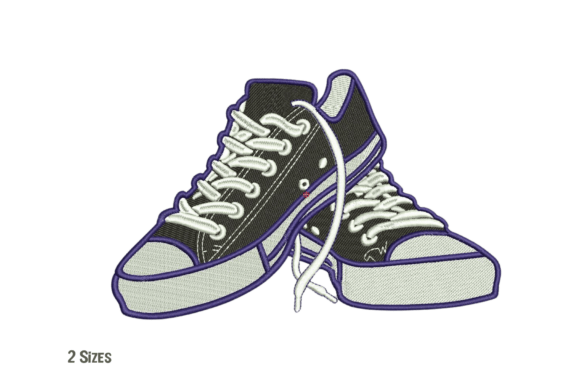
The visual personality of this Sneakers Machine Embroidery Design is bold yet balanced. Unlike some overly complex files that struggle under a microscope, this design maintains clarity even when you zoom in on the vector lines. The shape suggests a classic high-top silhouette, which is timeless enough to work across seasons but trendy enough to catch the eye of a younger demographic. For an Etsy seller or a boutique owner looking to refresh their inventory, this file offers a distinct aesthetic without feeling dated immediately after purchase.
What stands out most is the layout. It avoids the trap of being too dense, which often leads to puckering on softer fabrics. Instead, it utilizes negative space effectively, allowing the thread colors to pop against the background material. This makes it an excellent candidate for custom apparel where the goal is to add a focal point rather than cover the entire garment. Whether you are planning a tote bag design or a statement piece for a denim jacket, the mood it creates is one of casual confidence.
Testing the Waters: A Real-World Scenario
To truly understand the value of this embroidery file, I imagined a specific project: creating a limited run of custom sweatshirts for a local skate shop. The client wanted something that felt authentic, not mass-produced. I loaded the Sneakers Machine Embroidery Design into my software and began visualizing the placement on the left chest area of a heavy cotton fleece sweatshirt.
In this scenario, the design shines. The fill stitch areas appear substantial enough to hold up against the texture of the fleece, while the satin stitch outlines provide a crisp definition that prevents the edges from looking fuzzy. If I were to use this for sweatshirt embroidery, I would likely opt for a medium-weight tear-away stabilizer to ensure the stitches lay flat without distorting the knit. The result would be a finished product that looks professional and high-quality, significantly increasing the perceived value of the item compared to a standard print.
I also considered how this might look as an embroidered patch. The clean lines suggest it could be hooped on a stiff backing, trimmed, and then sewn onto caps or backpacks. This versatility is crucial for a craft business owner who wants to maximize the utility of a single digital asset. By offering the same design as both direct-to-garment embroidery and a detachable patch, you double your potential sales channels with minimal extra effort.
Navigating Fabric and Hoop Challenges
While the Sneakers Machine Embroidery Design is robust, it is not immune to the physics of embroidery. There are specific situations where caution is required. If you attempt to stitch this on very thin or stretchy fabric, such as a lightweight jersey tee, the density of the shoe details could cause significant puckering. In these cases, using a cutaway stabilizer becomes non-negotiable to maintain the integrity of the finished product.
Another consideration is the hoop size. While the design is detailed, it occupies a moderate amount of space. If you are working with a small hoop machine, you may need to resize the design carefully. Reducing the scale too much can compromise the stitch density, leading to gaps in the fill or broken lines in the outline. Always check the dimensions against your machine's capabilities before committing to a client order.
Texture also plays a role. On highly textured fabrics like canvas or thick wool, the fine details of the sneaker laces or stitching lines might get lost. For these materials, consider simplifying the color palette or increasing the line weight slightly in your editing software. Additionally, if you plan to use dark thread colors on a dark fabric, the contrast will suffer. Testing the design in black and white mockups beforehand can save you from wasting expensive thread and time.
Commercial Viability and Brand Consistency
For the digital product seller or the small shop product creator, consistency is key. This machine embroidery design fits seamlessly into a brand identity focused on active lifestyles, youth culture, or urban fashion. It pairs well with other sporty motifs or can stand alone as a minimalist statement. When used consistently across different items—such as baby embroidery for toddler sneakers-themed onesies or holiday embroidery for gift bags—it helps build a cohesive brand image that customers recognize and trust.
The ability to create personalized gifts is another strong selling point. Imagine a customer ordering a handmade product for a friend who loves running or skating. Adding a monogram or a date near the Sneakers Machine Embroidery Design elevates the item from a simple souvenir to a cherished keepsake. This level of customization drives higher engagement and allows you to charge a premium price for your services.
Practical Designer Notes for Success
- Test First: Never skip the test run on scrap fabric. Stitch out the Sneakers Machine Embroidery Design to check for tension issues or unwanted shifting.
- Check Licensing: Before selling any commercial embroidery items or digital files containing this design, confirm the license terms. Ensure you have the right to sell finished goods or redistribute the file.
- Stabilizer Matters: Match your stabilizer to the fabric weight. Heavy fabrics need heavy support; light fabrics need flexible backing.
- Color Contrast: Use contrasting thread colors to highlight the details of the shoe, especially if the background fabric is patterned.
- Maintain Detail: Avoid resizing the design beyond 20% of its original size to prevent loss of detail in the running stitch and outline areas.
Final Thoughts on Value and Application
Ultimately, the Sneakers Machine Embroidery Design is a versatile tool for the modern maker. It bridges the gap between hobbyist fun and professional application. Whether you are decorating a kitchen towel with a sporty twist, creating a unique pillow cover for a teen's room, or building a line of branded merchandise for a startup, this file delivers on its promise of style and motion.
It respects the limitations of the medium while pushing the boundaries of what is possible with thread and needle. By understanding its strengths and limitations, you can integrate it into your workflow with confidence. For anyone looking to step up their fashion game with high-quality Accessories and Embroidery, this design is a solid addition to your library of assets. It invites creativity, encourages experimentation, and, most importantly, results in a tangible product that people want to wear and own.