Squirrel Light Stitch Embroidery Design Review
As I set up my booth for the upcoming weekend craft fair, the table is a chaotic mix of finished goods, half-stitched samples, and fabric swatches. My goal is always to curate a collection that feels cohesive yet diverse enough to catch the eye of a passing customer. Today, I am putting the Squirrel Light Stitch Embroidery design through its paces. This specific machine embroidery design falls squarely into the Woodland Animals category, a niche that consistently performs well in handmade markets, especially during autumn and winter seasons. Before I commit to producing a full batch of tote bags or aprons, I need to evaluate if this digital file translates into a high-quality, sellable handmade product.
First Impressions: Aesthetic and Market Fit
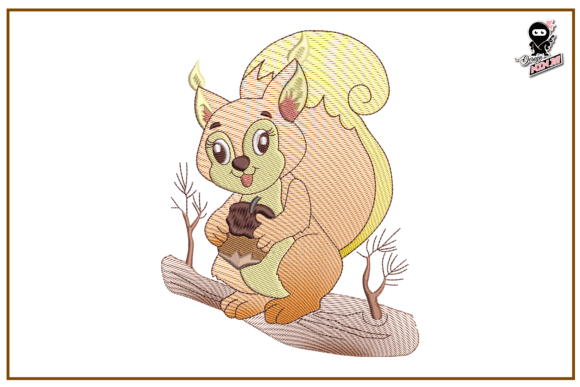
When I first loaded the preview of the Squirrel Light Stitch Embroidery, the immediate feeling was one of playful charm. It does not feel overly complex or heavy; instead, it strikes a balance between rustic and modern farmhouse aesthetics. The title suggests a "light" stitch count, which often implies a quicker production time and a softer visual weight on the fabric. For a craft fair environment where customers scan tables quickly, a design that communicates "cute" and "whimsical" within three seconds is essential. This squirrel design achieves that instantly. It feels approachable, making it an excellent candidate for a wide range of gift items rather than just a single-use decor piece.
The versatility of this embroidery design is its strongest selling point. Unlike some intricate woodland scenes that require large hoop sizes and expensive stabilizers, this design appears adaptable. It has the potential to look equally charming as a small accent on a cap or as a focal point on a pillow cover. For the Etsy seller or boutique maker looking to expand their catalog without investing hours per item, a design with this level of flexibility is a goldmine.
Product Application: Where Does It Shine?
My primary focus for the weekend market is apparel and home goods. I have been testing how the Squirrel Light Stitch Embroidery performs across different substrates. On a natural cotton tote bag design, the squirrel stands out beautifully against the unbleached canvas. The texture of the bag complements the organic nature of the animal motif. Similarly, when applied to apron embroidery, the design adds a touch of personality to a utilitarian kitchen item. Customers love functional items that tell a story, and a little squirrel peeking out from a pocket or corner creates that narrative perfectly.
I also experimented with tea towel embroidery. Here, the "light" aspect of the stitch is crucial. Kitchen towels are often textured, and a dense design can sometimes get lost in the weave or cause puckering. This design seems to sit lightly on the fabric, maintaining clarity even on terry cloth. For smaller items like embroidered patch applications or fabric pouches, the design holds its shape well. These small accessories are perfect impulse buys at a craft fair, often sold as add-ons to larger purchases. If you are planning a booth display, placing these small patches next to larger finished products can create a tiered pricing strategy that appeals to various budgets.
However, caution is needed with caps and curved surfaces. While the design is versatile, the curvature of a baseball cap can distort the stitching if the design is too wide. I recommend using this as a side-panel logo rather than a center-front placement unless the hoop size allows for proper stabilization. For pillow covers, the design works wonderfully as a centered statement, but ensure the backing fabric is sturdy enough to support the thread tension without warping.
Production Practicalities and Technical Notes
From a production standpoint, efficiency is key for any small shop product line. The Squirrel Light Stitch Embroidery promises multiple embroidery file formats, which is a significant advantage for digital sellers and those who use different machine brands. Whether you are running a Brother, Janome, or Bernina, having compatible files ensures you don't waste time converting designs. However, before mass-producing, you must verify the specific hoop size requirements listed in the download details. Assuming the wrong size can lead to wasted stabilizer and fabric.
One critical factor to consider is stitch density. Even though the design is labeled "light," certain areas of the squirrel's fur or tail might still pack stitches tightly. Always run a test on scrap fabric first. Check for thread breakage, especially if you plan to use metallic threads or variegated colors. The thread colors you choose will dramatically alter the final look. Earth tones like browns, greens, and creams will enhance the woodland vibe, while bright oranges or reds could make the squirrel pop for a festive holiday collection.
For commercial embroidery projects, understanding the limitations of the design is vital. Tiny details can vanish if the design is scaled down too much. Do not attempt to shrink this squirrel onto a button or a tiny coin purse without checking the preview at 100% zoom. If the eyes or ears become indistinguishable dots, the design loses its appeal. Additionally, be mindful of dark fabric. A light-colored squirrel on black denim requires a dense underlay to prevent the fabric color from showing through the stitches. Using the right stabilizer is non-negotiable here; a tear-away or cut-away stabilizer depending on the fabric stretch will ensure the finished product looks professional.
Visual Appeal and Customer Engagement
In the competitive world of handmade markets, visual appeal drives sales. The Squirrel Light Stitch Embroidery has a distinct character that invites interaction. When displayed on a finished product like a sweater or a cushion, it draws the eye and encourages customers to touch the texture. That tactile experience is what separates a handmade item from a mass-produced print. The raised dimension of the embroidery adds perceived value, allowing you to price your craft fair product higher than a simple screen-printed alternative.
For online sales, photography is everything. This design photographs exceptionally well because the contrast between the thread and the fabric usually provides good definition. When creating printable mockup images for your Etsy listing or social media, try to capture the design in natural light to show off the sheen of the thread. Highlighting the craftsmanship helps justify the price point to digital buyers who cannot physically inspect the item. Consistency in your brand is also important; if your shop focuses on woodland themes, this design fits seamlessly into your existing aesthetic, reinforcing your brand identity.
Final Verdict for the Creative Entrepreneur
After reviewing the Squirrel Light Stitch Embroidery through the lens of a busy market vendor, I am confident in its potential. It is a robust digital embroidery file that offers a great balance of speed, quality, and marketability. It is not just a design; it is a tool for creating a cohesive product line that ranges from market bags to handmade gifts. The key to success lies in preparation: test your settings, choose your fabrics wisely, and ensure your licensing allows for the volume you intend to produce.
If you are an Etsy seller or a craft fair participant looking to refresh your inventory with something fresh yet timeless, this design is a strong contender. Just remember to check the specific file details regarding design assets and license terms before you start your production run. With the right execution, this little squirrel could very well become your best-selling item of the season.